
The Intake Valve

Preservation is not only what we keep. It is what we keep intact.
We live inside a flood of records. Images, clips, headlines, screenshots, charts, captions, stories told too quickly to be tested. The modern problem is not scarcity. It is severance. Context is peeled away, and the fragment keeps moving as if meaning were self-contained.
This is the preservation problem I promised to move toward: not the disappearance of rituals, but the disappearance of context, and how quickly images become detached from the conditions that gave them meaning. What happens when the photograph outlives the relationship that made it possible.
Most people reading this are not photographers. That’s the point. This isn’t about making images. It’s about the lens through which images, stories, and impressions enter you. Everyone has a frame. Everyone edits. Everyone lives with a private archive of what they’ve allowed inside, and what they’ve refused to see. The question is whether that intake is accidental, or practiced.
In an earlier era, the lie had friction. It took effort to print it, distribute it, repeat it. Now plausibility is cheap. Volume is infinite. Provenance is optional. AI did not invent non-truths. Lying was always here. But it has made counterfeits easier to produce than patience, and easier to spread than context.
Which means the work of preservation shifts.
It is no longer only about recording what matters.
It is about protecting the conditions under which meaning can remain honest.
Context is not decoration. Context is load-bearing. It tells you whether what you’re seeing is testimony, performance, propaganda, art, confession, or bait. It tells you what the image cost. It tells you what agreements made it possible. It tells you what cannot be shown without harm. It tells you what is missing, and whether the missing was accidental or strategic.
Without context, the image doesn’t become neutral. It becomes available.
Available to be misunderstood. Available to be weaponized. Available to be consumed as aesthetic while the human costs remain invisible.
A photograph can outlive its maker. It can outlive the place it depicts. It can outlive consent. It can outlive the language spoken in the moment it was made. It can outlive the conditions of trust that allowed the camera to be there at all.
And then it travels.
It becomes a symbol. A meme. A piece of evidence detached from its chain of custody. A mood. A justification. A story that feels true because it is well-shaped.
When I say “image,” I don’t only mean a photograph. I mean anything that arrives with the force of a picture. A headline that collapses a complex event into a single sentence. A clip that edits out what came before. A statistic without a source. A story told at dinner that quietly assigns roles. A phrase that flatters your certainty.
This is how belief forms now: fragments entering us faster than context can follow.
Lewis Vaughn does something useful in his philosophy books. He brings in a current, recognizable fragment, and uses it as a test case for the argument. Not as decoration. As a demonstration.
So let’s do that, without needing any particular news story.
A screenshot lands in your feed. It’s a single frame. A person’s face mid-expression. A caption claims intent. A hundred comments declare certainty. You feel the pull of immediate knowing. You feel the ease of having a position. You feel the social reward of joining the chorus.
That is the moment that matters.
Not the truth of the screenshot.
The intake.
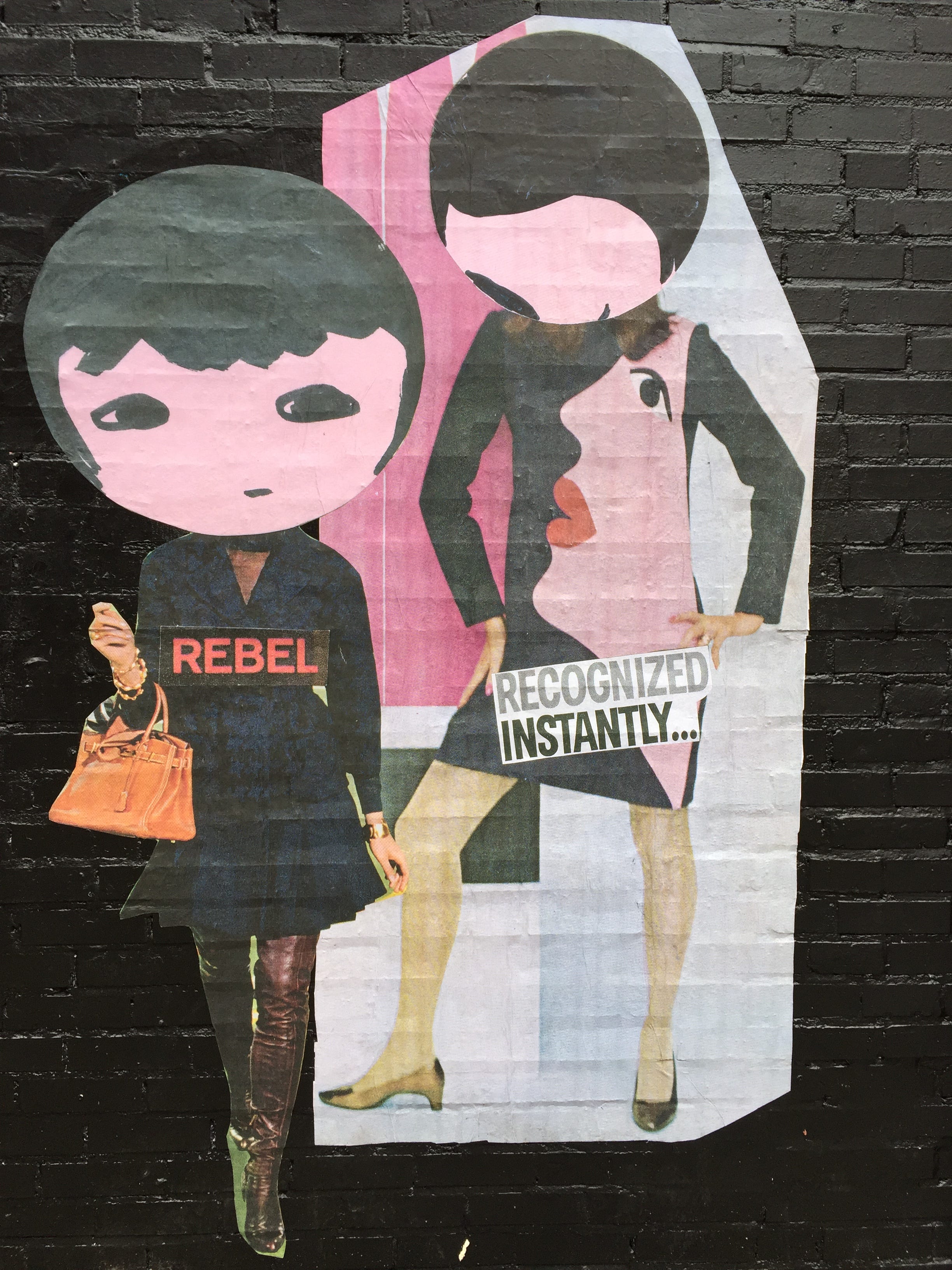
The point where something tries to enter you and settle as real before you’ve asked what it is, where it came from, what it excludes, and what it is training you to do next.
If preservation is relationship, then the central question becomes: what is your relationship to what enters you.
Not what you agree with. Not what you share. What you allow to settle inside you as truth.
This is the infrastructure I want to offer. Not a set of opinions, but a method. A way of restoring friction. A way of slowing intake down enough for meaning to stay attached to its origins.
The danger now is not only that we will be shown the wrong things. It’s that we will accept things too quickly, without the context that would keep them honest.
This is not a call to skepticism as a personality. Skepticism can be as lazy as belief. It can become performance. It can become a way of refusing responsibility by refusing commitment.
This is a call to accuracy.
Accuracy is a form of care.
Accuracy is what lets us live in contact with reality instead of living inside whatever is most persuasive.
In a feed-driven world, the first casualty is not truth. It’s the willingness to wait for it.
So here is a practice, built for non-photographers, that treats attention like infrastructure.
The Intake Valve
For the next seven days, choose one thing each day that enters you quickly.
It can be a photograph, yes. But it can also be a clip, a headline, a quote, a chart, a post, a rumor, a story a friend tells with confidence. Something that arrives with speed and tries to become truth before you have time to feel the seams.
Do not choose the most extreme thing. Choose the thing that felt normal. The thing you almost didn’t notice you were taking in.
Then do this, in writing. Two minutes is enough.
Name what arrived.
One sentence. Plain. What is the thing, without interpretation.Name what it did to you.
Not what you think about it. The effect. Did it make you certain. Did it make you afraid. Did it give you someone to blame. Did it soothe you. Did it make you feel included. Did it make you feel superior.Name what you cannot know from the fragment alone.
Three bullets. What context would change the meaning.Name the missing infrastructure.
Who made it. For whom. Under what conditions. With what permissions. What was excluded to make it legible. What incentives shaped it. What would have to be true for it to be honest.Name the consequence of circulation.
What happens if this travels without context. What story does it invite that might be untrue. Who benefits from that story.Return to the ground.
Write one sentence that begins: “What this makes me responsible for noticing is…”
That’s it.
Do one a day for seven days.
At the end of the week, look for the pattern.
You will learn what you trust too quickly.
You will learn what kinds of stories you are eager to believe.
You will learn what emotions function as open doors.
You will learn where your intake valve sticks open.
This is not about becoming immune. No one is immune. The goal is not purity. The goal is to rebuild a relationship to what enters you, so you are not living inside an unmanaged feed.
Because most manipulation is not the insertion of something false. It is the removal of what would make the truth harder to carry.
And the more frictionless the world becomes, the more important it is to reintroduce friction on purpose.
That is preservation now.
Not the comfort of a complete catalog, safely stored in a darkened archive.
The creation, through attention and restraint, of an inner architecture that keeps meaning intact as it moves.
Context is not academic. Context is care. Context is what keeps a photograph, a clip, a headline, a story, from becoming extraction after the fact.
In the first post I drew a line between history and preservation. In the second, I followed that line through Chris Rainier’s work and the discipline of looking without taking. This third post is where the line turns back toward you, the reader.
Not because you are responsible for the whole world’s honesty.
But because you are responsible for what you allow to become your world.
Preservation, in the age of AI and frictionless lying, begins at the intake valve.
Too True!